Understanding Frame Tents for Your Event in Sydney
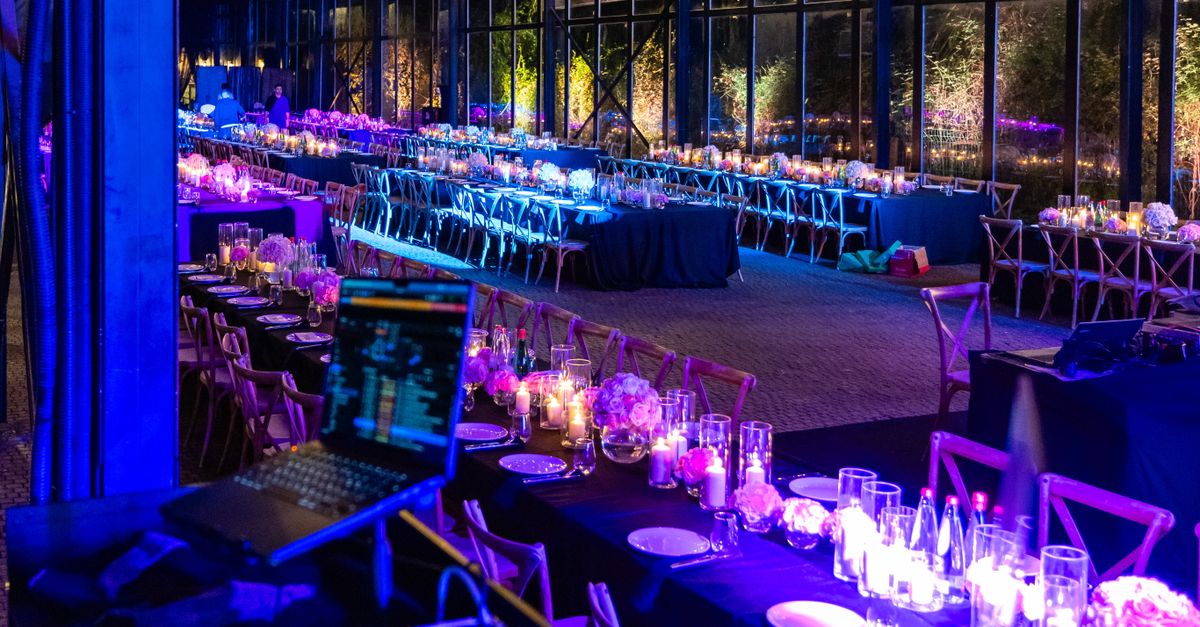
Table Of Contents
Site Preparation for Frame Tents
Choosing the right location for a frame tent is vital for a successful event. The selected site should ideally be level and free from any obstructions like trees or power lines. It is advisable to examine the ground surface for any unevenness, which could complicate the installation process and affect the overall stability of the tent. Additionally, considering factors like drainage is essential. Water pooling beneath the tent can create safety hazards as well as discomfort for attendees.
Before installation, it is also important to ensure proper permits are in place, particularly if the event is taking place in a public area. Liaising with local authorities to understand regulations related to outdoor structures can prevent any last-minute complications. If the site has not been used for events previously, conducting a site inspection may provide insights into any limitations that could arise, such as accessibility issues or potential noise disturbances from surrounding areas.
Essential Considerations
When planning the use of frame tents for your event, assessing the site conditions is critical. Evaluate the ground surface to ensure it is level and stable. Soft or overly uneven ground can lead to structural issues and may impact the overall stability of the tent. Check for any overhead obstructions such as power lines or tree branches that could interfere with the tent's setup and operation.
Consider the expected weather conditions as well. Frame tents provide excellent durability in windy or rainy situations, but taking extra precautions is wise. Ensure there are adequate drainage measures in place to prevent water accumulation. It’s also essential to determine the required permits and local regulations governing tent installations in Sydney, ensuring compliance and avoiding potential issues on the event day.
Installation Process for Frame Tents
Setting up frame tents requires a systematic approach to ensure stability and safety. The first step involves selecting a suitable site, which should be level and free from any obstructions. Once the site is confirmed, assemble the main components of the tent, including the frame and canopy. It's crucial to lay out the frame pieces in order, making the assembly process efficient. Secure each pole in place and ensure they are firmly anchored to prevent any movement during adverse weather conditions.
After completing the frame assembly, the next phase involves attaching the canopy. Carefully drape the fabric over the structure, ensuring it fits snugly. Use ratchet straps or bungee cords to secure the canopy to the frame. This adds protection against wind and rain. Lastly, conduct a thorough inspection to check all connections and make any necessary adjustments. Proper installation is key to maximising both the aesthetic and functional qualities of the tent at your event.
Steps to Set Up Effectively
Proper site selection plays a crucial role in the frame tent setup process. Assessing the terrain for any uneven surfaces or obstacles is essential. Clear debris such as rocks and branches to create a flat area for the tent. Make sure to mark out the dimensions of the tent to visualise the space it will occupy. Consider any nearby structures, trees or power lines that might impact the installation or the tent’s usage.
Gather all necessary tools and equipment before starting the installation. This can include a mallet, ropes, stakes, and a level to ensure the tent is properly aligned. Begin by laying out the tent fabric flat and identifying the frame pieces. Assemble the frame according to the manufacturer's instructions, securing each connection firmly. Proper alignment of the base and side poles ensures stability during strong winds or adverse weather.
Frame Tent Accessories and Add-ons
Equipping your frame tent with the right accessories can significantly enhance both functionality and aesthetic appeal. Lighting options, such as fairy lights or LED spotlights, create an inviting atmosphere while also ensuring visibility during the evening. Additionally, wall panels can offer protection from the elements, maintain temperature control, and add a touch of elegance. These elements combine to create a more comfortable environment for guests.
Furniture choices should not be underestimated when considering tent accessories. Tables and chairs tailored to the event type—from casual lounge setups to formal dining arrangements—contribute to a distinctive ambiance. Incorporating decorative elements like centrepieces, tablecloths, and customised signage allows for personalisation, reflecting the event's theme or brand. Invest in high-quality add-ons to ensure that your event stands out and leaves a lasting impression.
Enhance Your Event Experience
Effective utilisation of accessories can significantly elevate the atmosphere of a frame tent. Lighting options, such as fairy lights or chandeliers, add a touch of elegance and warmth, making the space inviting. Additionally, heating or cooling solutions can ensure guests remain comfortable regardless of weather conditions. Furniture selection plays a crucial role, as well-chosen tables and seating arrangements foster interaction, enhancing the overall experience.
Decorative elements can transform the tent’s interior and exterior. Draping fabric or using themed décor creates a visually pleasing environment that aligns with the event's purpose. Furthermore, incorporating technology, such as sound systems or projectors, allows for presentations or entertainment to be seamlessly integrated into the event. With the right enhancements, a frame tent can be transformed into a remarkable venue that leaves a lasting impression on attendees.
FAQS
What is a frame tent?
A frame tent is a type of tent that uses a freestanding frame structure to support the roof, allowing for a spacious interior without the need for centre poles, making it ideal for events.
How do I prepare the site for a frame tent?
To prepare the site for a frame tent, ensure the area is level, clear of debris and obstacles, and has adequate drainage. It is also important to check for any underground utilities before installation.
How long does the installation of a frame tent take?
The installation of a frame tent typically takes between 1 to 4 hours, depending on the size of the tent and the complexity of the site. It's advisable to schedule installation well ahead of the event.
What accessories can enhance my frame tent experience?
Common accessories for frame tents include lighting, flooring, sidewalls, heaters or air conditioning units, and decorative elements such as draping and furniture to create a more inviting atmosphere.
Do I need a permit to set up a frame tent in Sydney?
Yes, in Sydney, you may need to obtain a permit to install a frame tent, especially for larger structures or public spaces. It's best to check with your local council for specific regulations and requirements.
Related Links
Choosing Between High Peak and Traditional TentsSelecting the Right Tent Size for Different Types of Events
Customising Your Tent Layout for Maximum Space Utilisation
Discussing Waterproof Tents for Rainy Day Protection
An Overview of Stretch Tents for Unique Event Spaces
Advantages of Sailcloth Tents for Elegant Weddings