Creative Centrepiece Ideas Using Tableware
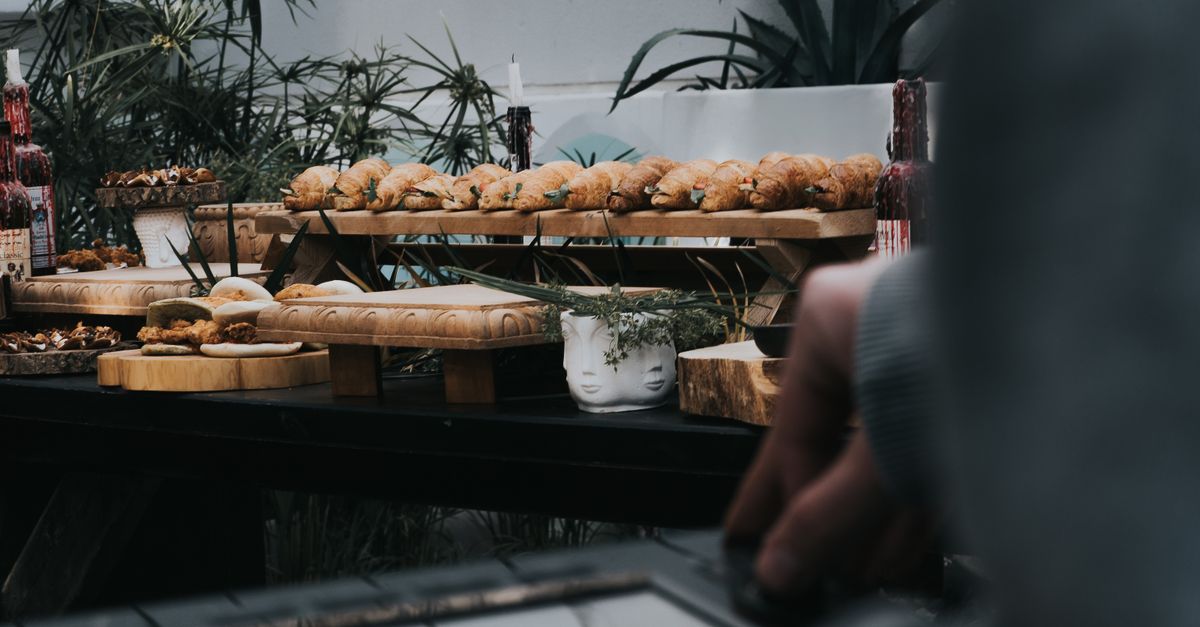
Table Of Contents
Minimalist Centrepiece Designs
A minimalist approach to table centrepieces can create an atmosphere of understated elegance. Using a few carefully selected elements can draw attention to the beauty of simplicity. Consider a single type of flower in a clear glass vase, allowing its natural shape and colour to take centre stage. Alternatively, a smooth stone or a piece of driftwood can be a stunning focal point, evoking a sense of nature and tranquillity.
Incorporating geometric shapes can enhance the clean lines of a minimalist design. High-quality ceramic bowls or sleek metallic trays can serve as subtle platforms for displaying small objects like candles or succulents. Neutral colours such as whites, beiges, or light greys provide a serene backdrop, while a touch of greenery adds a refreshing pop of colour to maintain visual interest without overwhelming the senses.
Achieving Balance with Simple Elements
Creating a sense of harmony on the table can be achieved by focusing on a few carefully selected pieces. Utilising a limited colour palette helps to maintain visual cohesion, allowing individual elements to stand out without overwhelming the senses. A simple vase filled with seasonal flowers can serve as a focal point. Pairing it with a textured runner and understated dinnerware creates a balanced aesthetic, encouraging conversation and enhancing the dining experience.
Emphasising natural materials can further enhance the simplicity of your arrangement. Wooden serving boards or ceramic bowls add warmth and texture to the table. Incorporating understated flatware and glassware complements these elements while encouraging a relaxed atmosphere. Limiting accessories allows for greater appreciation of the food itself, turning the meal into the true centrepiece while ensuring that the arrangement feels thoughtfully curated.
Cultural Inspirations for Table Settings
Diverse cultures offer a wealth of inspiration for table settings, each bringing unique aesthetics and customs to the dining experience. For instance, Japanese tableware often showcases minimalist beauty through lacquered dishes and delicate porcelain. The careful presentation of food plays a significant role in Japanese culture, with an emphasis on seasonal ingredients and harmony in colours. Incorporating elements like bamboo mats or chopsticks can transport guests to an intimate Japanese restaurant, inviting them to appreciate the artistry behind each dish.
In contrast, Mexican tableware embodies vibrant colours and intricate designs, reflecting the country's rich heritage and lively spirit. Talavera tiles and hand-painted plates can add a burst of warmth to any table setting. Using woven baskets or embroidered table runners introduces a tactile element that enhances the ambience. Celebrating regional cuisines through these authentic accents not only elevates the meal but also creates a dynamic and inviting atmosphere for diners to enjoy.
Exploring International Tableware Styles
Tableware from around the world offers a multitude of aesthetic possibilities and rich cultural narratives. Influences from countries like Japan can be seen in the use of fine ceramics and delicate patterns that convey elegance and simplicity. The colourful designs of Mexican Talavera pottery add vibrancy to any setting, showcasing intricate hand-painted details that reflect regional heritage. Scandinavian styles focus on functionality with minimalist designs, often using natural materials that enhance the dining experience while promoting sustainability.
Exploring tableware from various cultures allows for personal expression in table arrangements. Consider the bold geometric prints of Moroccan dishes, which can transform an ordinary dining scenario into an exotic feast. Indian tableware often features ornate brass or copper pieces that introduce a touch of luxury. Each style not only serves a practical purpose but also tells a story, inviting guests to appreciate the diversity and significance of each item as part of the overall dining experience.
Family-Friendly Table Arrangements
Creating a family-friendly table arrangement can enhance the dining experience for everyone, especially children. Opt for bright, playful colours that attract kids' attention, such as vibrant plates or patterned napkins. Wooden or melamine tableware is ideal as it combines durability with a fun aesthetic, reducing the chances of breakage during lively mealtimes. Incorporating thematic elements, such as animal or cartoon motifs, can also spark interest and encourage kids to engage with their food.
Incorporating interactive elements into table settings can make mealtime exciting. Consider including small bowls with ingredients for a DIY assembly meal, such as tacos or mini burgers. This setup invites children to personalise their dishes while boosting their involvement in the dining process. Placement of colourful centrepieces, like simple fruit arrangements or potted herbs, can further stimulate sensory exploration while remaining visually appealing, creating an inclusive environment that fosters connection among family members.
Incorporating Kid-Friendly Touches
Creating a lively table arrangement for family gatherings involves considering elements that appeal to children. Brightly coloured tableware can add a sense of fun and excitement. Choose plates and cups adorned with playful designs such as animals or cartoon characters. Incorporating interactive elements like DIY place settings allows kids to personalise their dining experience. These touches help engage children in the meal while fostering creativity and providing a sense of ownership over their space.
Adding edible centrepieces can also delight young ones. A fruit bowl filled with vibrant seasonal fruits not only serves a functional purpose but also acts as a healthy and appealing decoration. Consider using cookie jars filled with colourful treats that double as snacks. Small potted plants or herb gardens can spark curiosity and conversation about nature. These kid-friendly touches not only create a joyful atmosphere but also encourage a positive relationship with food and dining experiences.
FAQS
What are some minimalist centrepiece designs I can use?
Minimalist centrepiece designs often feature simple elements such as a single flower in a vase, candles, or a decorative bowl with fruit. The key is to keep it uncluttered and focus on the elegance of fewer items.
How can I achieve balance in my centrepiece?
Achieving balance in a centrepiece can be done by using varying heights and shapes. For example, you can combine tall candles with shorter vases or place items in odd numbers to create a visually appealing arrangement.
What are some cultural inspirations I can incorporate into my table settings?
You can explore international tableware styles such as Japanese minimalism with simple ceramics, Italian rustic charm with terracotta dishes, or Moroccan vibrancy with colourful plates and patterned textiles to bring cultural diversity to your table setting.
How can I create family-friendly table arrangements?
To create family-friendly table arrangements, consider using unbreakable tableware, incorporating playful elements like colourful dishes or fun centrepieces, and ensuring that everything is easily accessible for children, such as placing snacks within reach.
What kid-friendly touches can I add to my centrepiece?
Kid-friendly touches can include using themed decorations based on your children's interests, such as toys or art, or incorporating edible elements like fruit skewers or cookies that double as both decor and a snack.
Related Links
Eco-Friendly Linen Choices for Sustainable EventsThe Importance of Quality Tableware in Event Planning
Essential Tableware Items for Corporate Events
Popular Trends in Event Linens for 2023
How to Match Linens with Event Themes
Renting vs Buying Tableware for Events
Tips for Selecting the Perfect Table Settings