Best Practices for Setting Up Audio Visual Packages for Events
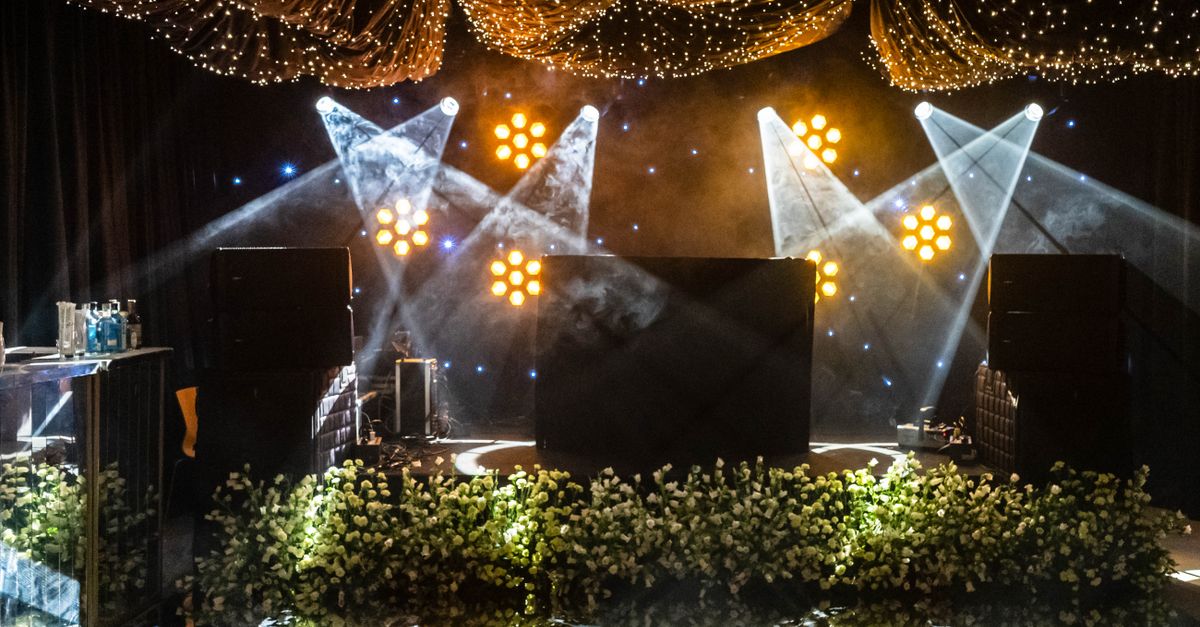
Table Of Contents
Lighting Considerations for Events
When planning an event, the choice of lighting is crucial to create the desired atmosphere and enhance the overall experience. Properly selected lighting can significantly affect how guests perceive the space. Ambient lighting sets the mood, while focused lighting draws attention to key areas such as stages or displays. Event planners should consider the types of bulbs used, the layout of the venue, and the time of day when determining the lighting design.
The colour temperature of lighting also plays a vital role in the event's ambience. Warm white lights can create a welcoming and intimate atmosphere, while cooler lights may lend an air of formality and professionalism. Dynamic lighting options, such as LED fixtures, offer versatility and adaptability, allowing for changes throughout the event. Integrating these elements effectively requires thorough planning and an understanding of the venue's unique characteristics.
Types of Lighting and Their Effects
Varied types of lighting serve distinct purposes in event settings, each creating a unique ambience and influencing attendees’ mood. Ambient lighting sets the overall tone of the venue, providing a warm and inviting atmosphere. Accent lighting highlights specific features or areas, drawing attention to key elements such as centrepieces or artwork. Task lighting illuminates particular spaces for functional activities, ensuring visibility for those engaged in presentations or networking.
Different colours and intensities of light can evoke emotional responses and enhance the event's theme. Soft, warm tones can create a relaxed and intimate environment, making them ideal for social gatherings or weddings. In contrast, bold, bright lights energise attendees, perfect for corporate functions or concerts. The careful selection of lighting types and effects not only improves the visual appeal of an event but can also significantly influence audience engagement and overall experience.
Testing Equipment Before the Event
Ensuring all audio-visual equipment is in perfect working condition is crucial for a successful event. Rigorous testing should be conducted well in advance, allowing for any necessary adjustments or replacements. During the testing phase, it’s important to check every component, including microphones, speakers, projectors, and lighting. This practice not only identifies potential issues but also helps to familiarise the team with the gear they will be using.
Incorporating a timeline for testing can streamline the process and alleviate last-minute stress. Each piece of equipment should be tested in the location it will be used, as acoustics and lighting conditions can vary significantly between different environments. Documenting the results of each test aids in identifying patterns or recurring issues, which can be addressed proactively. An efficient testing routine lays the foundation for a successful audiovisual experience, ensuring everything runs smoothly on the day of the event.
Creating a Comprehensive Soundcheck Checklist
A soundcheck serves as a critical component in ensuring that all audio elements are functioning flawlessly before the event begins. It's essential to create a detailed checklist that includes every aspect of the sound system. This checklist should outline tasks such as checking microphone levels, confirming speaker connections, and testing instruments. Recording and reviewing sound levels in different areas of the venue can help identify any inconsistencies that may arise during the event.
In addition to verifying audio equipment, the checklist should also account for performer requirements. Each artist may have specific preferences regarding monitoring and sound reproduction that need to be accommodated. Appointing a dedicated team member to oversee the soundcheck can streamline the process and ensure nothing is overlooked. Ultimately, thorough preparation through a comprehensive checklist sets the stage for a successful audio experience during the event.
Training Staff on Equipment Usage
Understanding the technology involved in audio-visual setups is crucial for staff tasked with managing equipment during events. A thorough training program can familiarise team members with various devices, including microphones, mixers, projectors, and lighting controls. Hands-on training sessions allow staff to practice operating the equipment under simulated conditions, which builds confidence and reduces the likelihood of errors on event day. It is also beneficial to provide written manuals or quick reference guides to assist staff in recalling important operational procedures.
Encouraging ongoing education about advancements in audio-visual technology is equally important. Regular workshops can keep staff updated on new equipment and software, ensuring they remain proficient in their roles. Sharing best practices and troubleshooting tips among team members fosters a collaborative environment where everyone feels empowered to contribute to a seamless event experience. Ensuring that each staff member possesses a strong understanding of the technology will ultimately enhance the overall quality of the event.
Importance of Familiarity with Technology
Understanding technology is crucial for ensuring smooth operations during events. When staff are well-acquainted with the equipment they are using, it minimises the chances of technical glitches. Comfort with technology allows team members to troubleshoot issues promptly, leading to a more seamless experience for attendees. This familiarity also facilitates quick adjustments to audiovisual elements, enhancing the overall atmosphere of the event.
Training staff on the specific equipment they will operate builds confidence and competence. Interactive sessions can foster a more engaging learning environment, promoting retention of important information. Having knowledgeable staff not only boosts efficiency but also reassures clients that their event is in capable hands. This sense of preparedness can significantly impact audience engagement and satisfaction, resulting in a successful event overall.
FAQS
What are the key factors to consider when choosing lighting for an event?
Key factors include the type of event, venue size, desired atmosphere, and the specific effects you want to achieve. It's important to consider how different lighting types, such as ambient, stage, and accent lighting, will complement each other.
How can I ensure all audio-visual equipment works properly before the event?
Conduct thorough testing of all equipment prior to the event. This includes running through all sound and visual elements in the venue to identify any technical issues. Creating a comprehensive checklist can help ensure nothing is overlooked.
Why is a soundcheck checklist important for events?
A soundcheck checklist helps to ensure that all audio elements are functioning correctly and that sound levels are balanced. This prevents issues during the event and provides a smoother experience for both the audience and the presenters.
How can I train staff on the use of audio-visual equipment?
Provide hands-on training sessions that include demonstrations and practice opportunities on all equipment. Ensure that staff are familiar with troubleshooting common issues and understand the specific requirements of the event they will be supporting.
What role does familiarity with technology play in the success of an event?
Familiarity with technology allows staff to operate equipment efficiently, address any technical problems quickly, and adapt to changes during the event. This can greatly enhance the overall experience for attendees and presenters alike.
Related Links
Comparing Audio Visual Package Options for Different Event TypesComprehensive Guide to Choosing Audio Visual Packages in Sydney
Enhancing Your Event with Custom Audio Visual Package Solutions
Budgeting for Audio Visual Packages: What to Expect
Tips for Testing Your Audio Visual Equipment Before the Event
How to Tailor Your Audio Visual Package for Outdoor Events
Top Providers of Audio Visual Packages for Corporate Events
Essential Components of a Complete Audio Visual Package
Key Considerations When Renting Audio Visual Packages in Sydney